Pages

Monday, 14 January 2019

Summer Learning Journey - Week 3 Day 5 Activity 3: Let it Rain

Activity 3: Let It Rain [10 points]
Over the past few decades, we have seen an increase in the amount of rain that falls here in New Zealand. We are lucky, however, that most of the rain that falls is regular rainwater and not polluted acid rain. Acid rain is rain that has bad chemicals (pollutants) in it. When acid rain hits the ground it can enter the water system, killing plants and animals. Click here to learn more about acid rain.

Let’s imagine that New Zealand was hit by a massive acid rain storm. Acidic rain fell for three days and three nights. When the rain fell, you stayed inside with your friends and family. When it stopped, however, you and your family decided to go for a walk outside. You opened the door and...

On your blog, write a short story about what happened when you opened the door and walked outside after the acid rain storm. To earn full points, you must write a story that is 8 – 10 sentences long.
As I open the door I see trees without any leaves. I could hardly see any green. Parts of houses were destroyed. I was afraid of what would happen next, will the storm come back? Who knows, As my family and I walk down our neighborhood I see a few kids in sadness. It was very upsetting to see trees with no leaves and we do need trees to breathe.

Summer Learning Journey - Week 3 Day 5 Activity 2: Climate changes


Activity 2: The Seven Sisters [4 points]
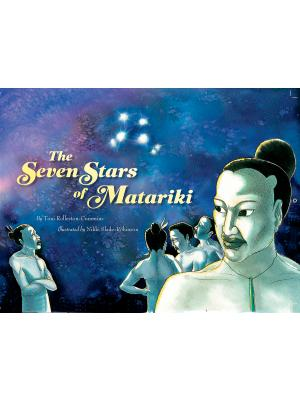
In the middle of winter, a very special cluster (group) of stars appear in the sky over New Zealand. This cluster is called the ‘Matariki star cluster.’ It re-appears in the sky each May/June and signals the start of the Māori New Year. Many songs (waiata) and stories have been written about the cluster. One of these is called ‘The Seven Stars of Matariki.’ It was written by a New Zealander named Toni Rolleston-Cummins. She is from Maketu. Click here to listen to Toni read her story.
On your blog, write a short summary of the book. What was it about? Try to summarise the story in 6-8 sentences.

Activity 3: Crazy, Cool Clouds [5 points]
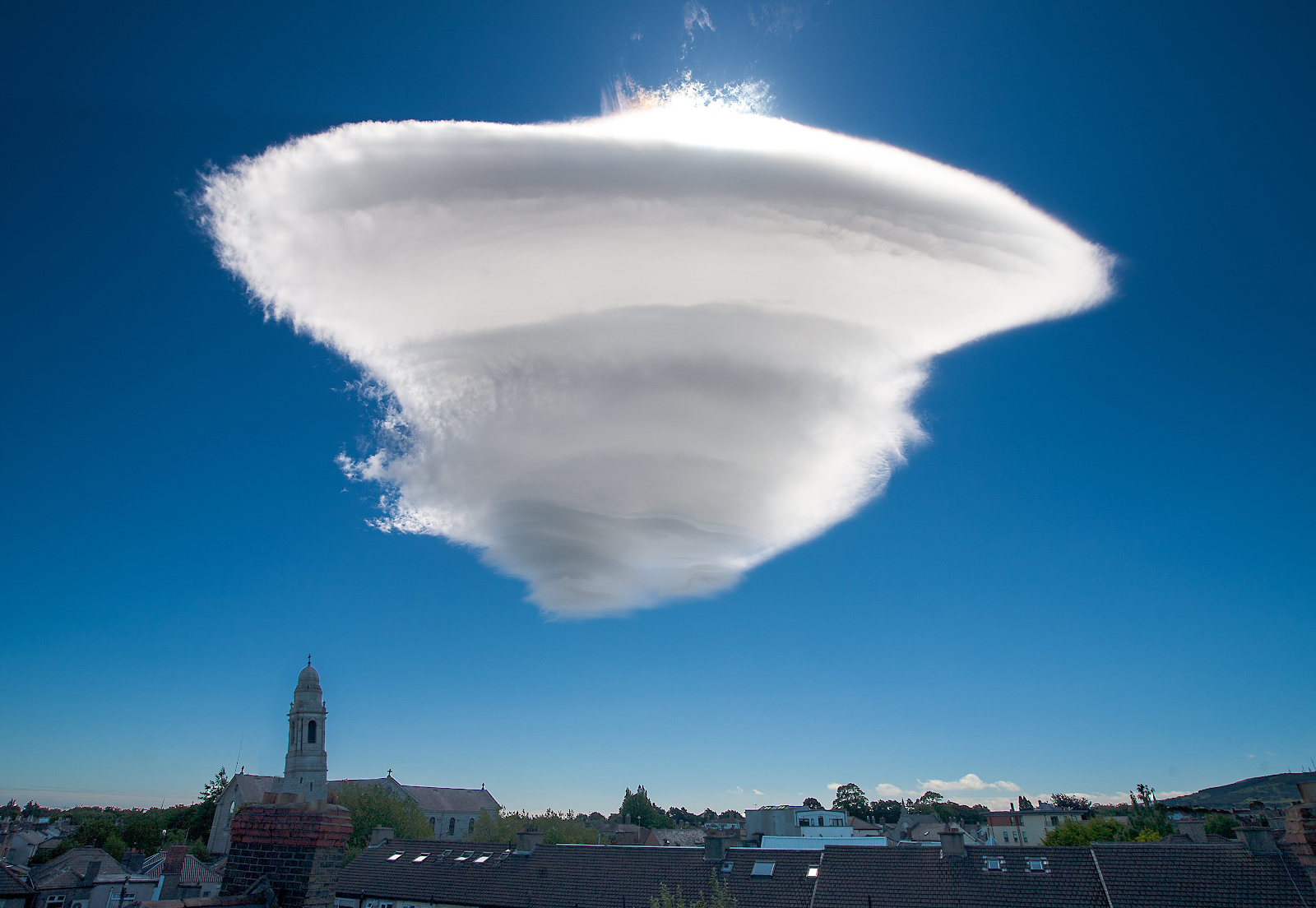
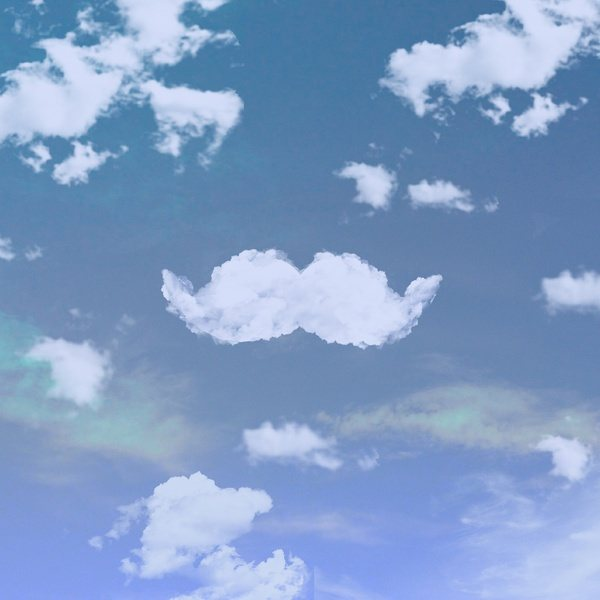
Have you ever looked up into the sky and seen a cloud that had a really cool shape? I certainly have, and so have dozens of other people. Take a look at the three pictures of crazy, cool cloud formations below.


From left to right: Picture 1, Picture 2, Picture 3
Clouds are formed when small drops of water stick together. To learn more about clouds and how they are formed, you can watch this cool video. Once you have learned about clouds, please choose your favourite cloud picture.
On your blog, tell us what you see in the photo. What shape(s) do you see? Be sure to tell us which picture (1, 2 or 3) you have chosen and describe what you see in lots of detail!.

DAY 5: Here to Stay


Activity 1: Persistent Pollution [4 points]
In 2016, the World Health Organisation announced that Timaru, a small town in the South Island of New Zealand, had the highest recorded levels of air pollution in New Zealand. Some of this pollution was caused by natural events (eg. fires) but most of it was produced (made) by humans.
Watch this short video on air pollution. It will tell you more about natural and human causes of pollution.
On your blog, share three new things that you learned about air pollution from this video.


Activity 2: Changing Climates [4 points]

Over the past decade, the climate in New Zealand (and around the world) has been changing. In fact, the climate has been getting warmer and warmer. While many of us like warm weather, climate change is not good news. Higher temperatures can cause glaciers to melt (leading to flooding) and increase the amount of rain that falls.
Here in New Zealand, we have noticed the change. In fact, we sometimes have torrential (huge) rain storms causing flooding, landslides and road closures. When it starts to rain really hard, Aronui and I usually hide out in our lounge and play games like Yahtzee, Monopoly and Uno. If it rains all day, we will also spend some time reading, watching movies and baking.
What about you? What do you like to do on a rainy day?  

On your blog, tell us about five things that you like to do when it is too rainy to go outside.
1) Sometimes I love watching movies if I am not able to go outside.
2) If there is nothing else to do I usually read a book.
3) If I get to bored to do anything I would fall asleep.
4) I either like playing with my siblings or cousins
5) I like drawing on a rainy day after all there isn't much to do.
Summer Learning Journey - Week 3 Day 5 Activity 1: persistent Pollution

DAY 5: Here to Stay


Activity 1: Persistent Pollution [4 points]
In 2016, the World Health Organisation announced that Timaru, a small town in the South Island of New Zealand, had the highest recorded levels of air pollution in New Zealand. Some of this pollution was caused by natural events (eg. fires) but most of it was produced (made) by humans.
Watch this short video on air pollution. It will tell you more about natural and human causes of pollution.

On your blog, share three new things that you learned about air pollution from this video.

1) Some air pollution comes from natural sources such as volcano eruptions, log fire or even allergies.
2) Most air pollution results from human activities like energy use and Agra culture.
3) Carbone Dioxide, Methane, nitrous oxide, and fluorinated gases trap heat from the sun which leads to arising and global temperature.

Summer Learning Journey - Week 3 Day 4 Activity 3: Crazy, Cool Clouds

Activity 3: Crazy, Cool Clouds [5 points]
Have you ever looked up into the sky and seen a cloud that had a really cool shape? I certainly have, and so have dozens of other people. Take a look at the three pictures of crazy, cool cloud formations below.


From left to right: Picture 1, Picture 2, Picture 3
Clouds are formed when small drops of water stick together. To learn more about clouds and how they are formed, you can watch this cool video. Once you have learned about clouds, please choose your favourite cloud picture.
On your blog, tell us what you see in the photo. What shape(s) do you see? Be sure to tell us which picture (1, 2 or 3) you have chosen and describe what you see in lots of detail!.


In the first image, a see a white fluffy bunny curling up into a ball.
In the second image, I see a tornado about to destroy a town.
In the last image, I see a white hairy mustache in a very perfect shape.

Summer Learning Journey - Week 3 Day 4 Activity 2: The Seven Sisters


Activity 2: The Seven Sisters [4 points]
In the middle of winter, a very special cluster (group) of stars appear in the sky over New Zealand. This cluster is called the ‘Matariki star cluster.’ It re-appears in the sky each May/June and signals the start of the Māori New Year. Many songs (waiata) and stories have been written about the cluster. One of these is called ‘The Seven Stars of Matariki.’ It was written by a New Zealander named Toni Rolleston-Cummins. She is from Maketu. Click here to listen to Toni read her story.
On your blog, write a short summary of the book. What was it about? Try to summarise the story in 6-8 sentences.

There was a man named Meti who lived with all his seven brothers in his village. One day all of the seven brothers went hunting on a hill, they heard some beautiful music and followed it to the top of the hill. There they saw seven beautiful women singing. The women immediately fell in love with them. But, Meti did not like them. They became their wives. One day they went missing and when they arrived home they asked them where they had gone. They got into a rag. One day Meti spied on them and saw them turn into a bird. He listened to their plan. The next day they got caught in a net and was never seen again.

Summer Learning Journey - Week 3 Day 4 Activity 1: Like A Scene Out of a Movie

DAY 4: Like a Scene Out of a Movie

Activity 1: The Southern Lights [4 points]
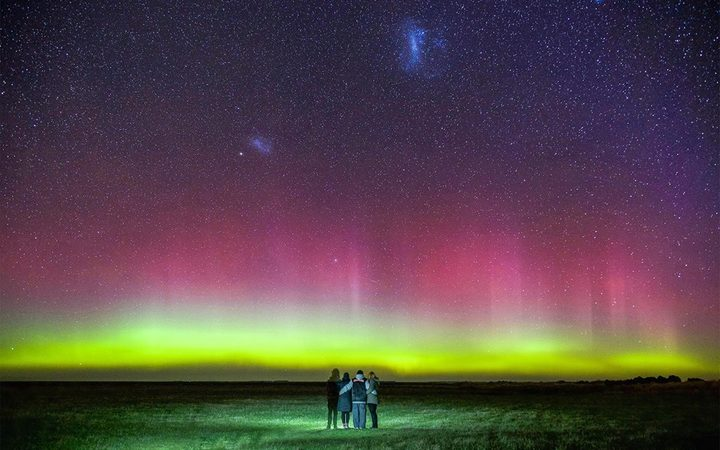
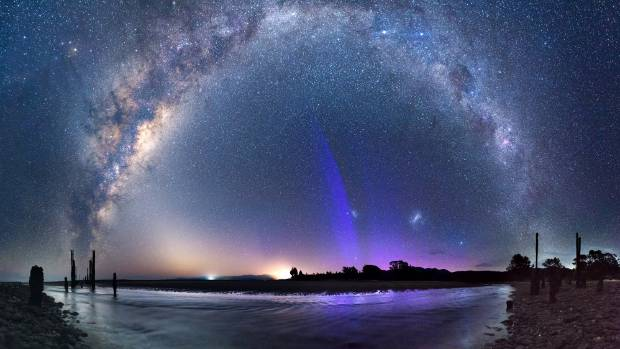
Once in a while a very special event takes place in New Zealand. It is a show of beautiful, bright lights that appear in the sky over the South Island. The lights are called the ‘Aurora Australis’ or ‘Southern Lights.’ They are similar to the ‘Northern Lights’ that are often seen in places like Northern Canada, Iceland, Sweden, Finland and Denmark. The southern and northern lights are so stunning that they often leave people, who are watching them, speechless.
For this activity, you are to write a short acrostic word poem about the beautiful lights. Hazel has written an acrostic poem about summer to give you an example.
S - Sun outside,
U - Umbrellas in the sand.
M -  My friends and I, having fun,
M - Making sandcastles,
E - Enjoying ice cream on a hot day,
R - Racing to the beach!
On your blog, use the word ‘LIGHTS’ to write an acrostic poem about the Southern Lights. Be as creative as you
Lights in the sky
Incredibly light up the sky
Glows up the night
Happiness and joy viewing the lights
Tremendous night
Shining the night sky

Summer Learning Journey - Week 3 Day 3 Activity 3: Wind Beneath My Wings

Activity 3: Wind Beneath My Wings [10 points]
Birds and bats are just two species of animal that are able to fly. Did you know that some fish, squirrels and snakes are also able to fly? Check out the ‘Top 10 Flying Animals of the World’ website to learn more about these incredible animals.
Once you have explored the site, choose one animal and create a digital learning object (DLO, eg. a poster) that tells us all about the animal. Be sure to include at least three interesting facts and a picture or two of your animal! Please follow these instructions for attributing your pictures properly.
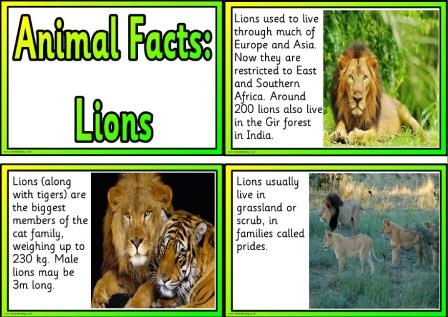
Here is an example of a DLO that was created about lions.
On your blog, post a final copy of your DLO..