Pages

Wednesday, 16 January 2019

Summer Learning Journey - Week 4 Day 3 Activity 1: Predator Free 2050- A Call to Arms

DAY 3: Taking Action


Activity 1: Predator Free 2050 – A Call to Arms [4 points]
There is currently a huge drive to get rid of all predators from New Zealand. Predators are animals that, in some way, damage our natural environment. Many organisations are working hard to accomplish this goal.
Click on the links below to watch videos about three of the current projects operating to make New Zealand ‘Predator Free by 2050.’
Predator Free Video #1: Cacophony Project
Predator Free Video #2: Taranaki Mounga Project
Predator Free Video #3: Zero Invasive Predators (ZIP)

On your blog, tell us which one of the videos you liked the best and why..
I liked 'Predator Free Video #2' because in the video
I think that this man is a positive person and as you can tell he hopes to see New Zealand with a better future. He is trying to encourage others to help the animals/birds from being endangered. He thinks that we should prevent predators from killing birds/animals.


Summer Learning Journey - Week 4 Day 3 Activity 3: A House is Not a Home

Activity 3: A House is Not a Home [10 points]

New Zealand is home to some unique wildlife that cannot be found anywhere else in the world. While we work very hard to protect our natural habitats so, too, do people living and working in other countries. One of the oldest international wildlife conservation organisations is called ‘Fauna & Flora International’ (FFI). They support a number of projects around the world, including those working to protect Lansan trees in the Caribbean, fruit forests in Tajikistan, and national reserves in Mozambique. Read about each of these projects and choose the one that interests you the most.
On your blog, tell us which project you find most interesting and why..

Summer Learning Journey - Week 4 Day 2 Activity 2: A protective Plant

Activity 2: A Protective Plant [4 points]
There are concerns about the water quality of some of the rivers, streams and oceans in and around New Zealand. Some people have suggested that we plant flowers and plants on the banks of our most polluted rivers to stop the spread of the pollution. Apparently, the plants can act as filters, absorbing some of the chemicals (pollutants) that are moving across the land, on their way to the river.
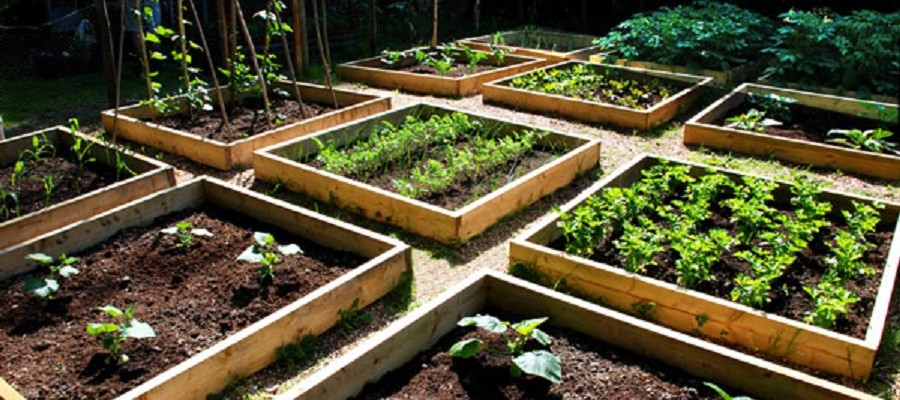
Planting can be a lot of fun! Have you ever planted a garden? Aronui and I are going to make our very own edible garden this year. We are going to plant a number of veggies, fruits and herbs, including mint, coriander, parsley, lemongrass, onions, tomatoes, beans, zucchinis, kumara and strawberries. Yum! If you could plant an edible garden what would you plant in it?


On your blog list 10 veggies, fruits, or herbs that you would plant in your garden.
1. Cherries
2. Feijoa tree
3. Water melons
4. Banana Tree
5. Avocado Tree
6. Strawberries
7. Pumpkin
8. Apple Tree
9. Coconut tree
10. Mango tree
If I had to choose from all of these fruits/vegetables I would choose to grow a Mango tree.

Summer Learning Journey - Week 4 Day 2 Activity 1: A Flying Fox

DAY 2: Protecting Our Own


Activity 1: A Flying Fox [4 points]

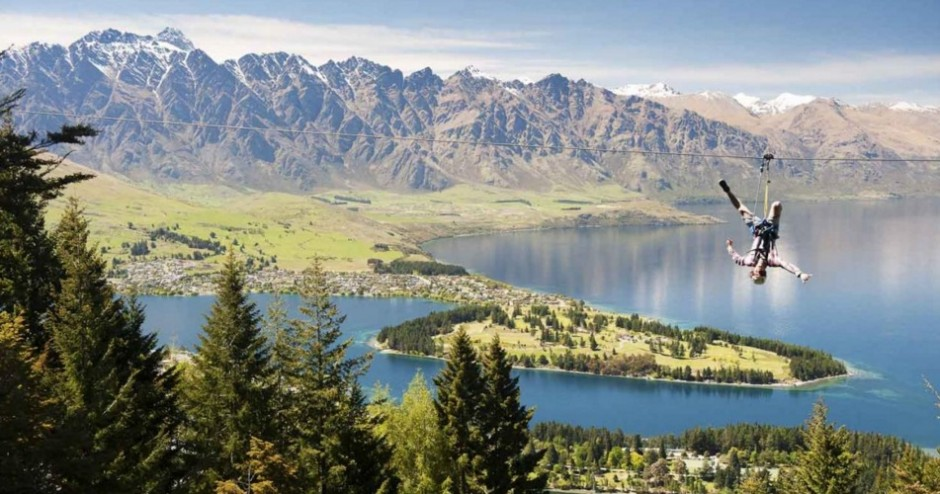
New Zealand has some of the most beautiful forests in the world. Both New Zealanders and tourists, alike, enjoy walking through these forests. Unfortunately, constantly walking through forests can damage the plants and animals (flora and fauna) that live there. In an attempt to protect the local flora and fauna, an eco-tourism company in Rotorua came up with an idea. The Rotorua Canopy Tours Company designed a series of ziplines that sit above the forest canopy (top). People can ‘zip’ from one section of the forest to another, looking down on the beautiful natural areas below. To see what ziplining looks like, check out this video.
I have tried ziplining and I really enjoyed it, however, I must admit that I was pretty scared to try it at first. How would you feel if you had the chance to go ziplining in Rotorua?
On your blog, tell us how you would feel about going ziplining in Rotorua. Try to use some descriptive words (adjectives) and action words (verbs) in your post!.

My thoughts on ziplining is dangerous but possible could be fun. If I were ziplining I would be terrified depending on the height. Ziplining is dangerous but as long as you have a strong support I know I will enjoy this zipline. I imagine myself having butterflies in my stomach and I will be very scared especially to look down to the ground. Over all I know for sure I would love and enjoy ziplining.

Tuesday, 15 January 2019

Summer Learning Journey - Week 4 Day 1 Activity 3: The Sky in Shangai

Activity 3: The Sky in Shanghai [10 points]
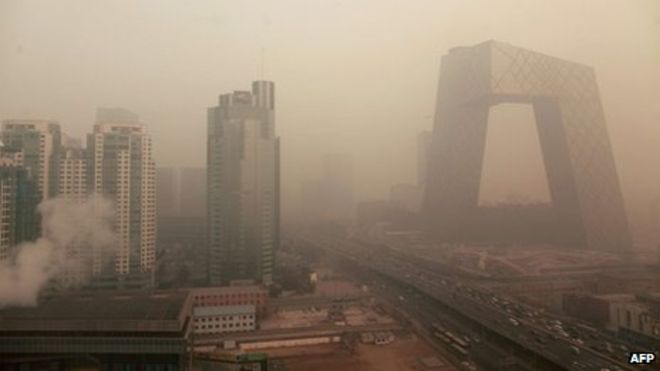
One day I would really like to travel to China. It is a country with a rich history, vibrant cities, tasty food, and fascinating architecture   (buildings). Unfortunately, some of the largest Chinese cities have high rates of air pollution. The air pollution in Beijing, one of the largest cities in China, can get so bad that roads are closed, flights are cancelled and events are postponed while they wait for the smog in the air to clear. The terrible pollution is also having fatal (deadly) effects as, approximately, 1.1 million people in China died last year from air pollution-related causes. The Chinese government is very concerned and they have introduced a number of strategies (ideas) to reduce the pollution levels. Imagine that you were asked to travel to Beijing. How would you feel?
              
On your blog, write a poem that describes your feelings about travelling to Beijing, China.
I arrived in China a wonderful place,
The people were kind with beautiful faces
the veiws were pretty too

and don't get me started
the food are yum too
The people are rich
and the kids are shy


Monday, 14 January 2019

Summer Learning Journey - Week 4 Day 1 Activity 2: Guardians of the Sea

Activity 2: Guardians of the Sea [4 points]
One of the largest rivers in New Zealand is called the Waikato River. It is found in the central part of the North Island of New Zealand. The river (awa) was given the name ‘Waikato’ (meaning flowing water) by a group of men and women from the Tainui iwi who, legend has it, travelled down the Waikato years ago and settled in the area. According to Māori legend, the Waikato River has hundreds of taniwha (mythical water spirits) living in it, guarding the sea.
Unfortunately, the Waikato River has become polluted in recent years and is, sometimes, closed to the public. This is very upsetting for many people, especially for those who believe that taniwha live in the river. Please click here to read about taniwha and watch this short video about taniwha.
Once you have finished learning about taniwha go to your blog.
On your blog tell us whether, or not, you believe that taniwha exist. Be sure to explain to us why you feel this way.


Even though I have never seen a Taniwha I believe that a Taniwha is not real. For this explanation is because I do not believe creatures that I have not heard about before. If Taniwha's were real it would be great to know more about this mythic or legend creature. Having Taniwha that does not exist does not help at all, therefore, there are many fishers capturing our fish from the sea, river, ocean, and lakes. It would help very much if the Taniwha did exist.

Summer Learning Journey - Week 4 Day 1 Activity 1: World of wearable

DAY 1: Preserving the Past


Activity 1: World of Wearable (WOW) Art [4 points]
If we want to protect our natural world, we must be thoughtful about what we make, how we make it and how we dispose of it (throw it away). At the moment, the waste in New Zealand is separated into two main categories: 1. Recycled items (eg. bottles, cans, paper) and, 2. Non-recycled items (rubbish). Most of the rubbish is collected by rubbish trucks and taken to a rubbish tip (landfill) where it is dumped and never used again. Much of the recycled material is to taken to a place where it is sorted, separated and sent out to be used again.
The idea of reusing materials was taken to a whole new level by a woman named Dame Suzie Moncrieff who, thirty years ago, created an event in New Zealand called the ‘World of WearableArt’ (WOW). WOW takes place in Wellington (and in other cities) every year. Artists from around the world create outfits made entirely from recycled materials.
Let’s imagine that you were invited to this year’s WOW awards and you were able to interview the creator.

On your blog, list five interview questions that you would like to ask Dame Suzie Moncrieff.
1) Where do you get your ideas of making wearable art?
2) Do you make these dresses alone or with a group of other people?
3) Do you enjoy making wearable art?
4) Would you ever think of giving up on your job?
5) How long does it take to make a dress?